
Branded Merchandise For Sports Industry Australia
Learn about branded merchandise for sports industry australia for Australian businesses. Expert tips and advice from BrandBoost Australia.

Written by
Brodie Zhang
Outdoor & Leisure
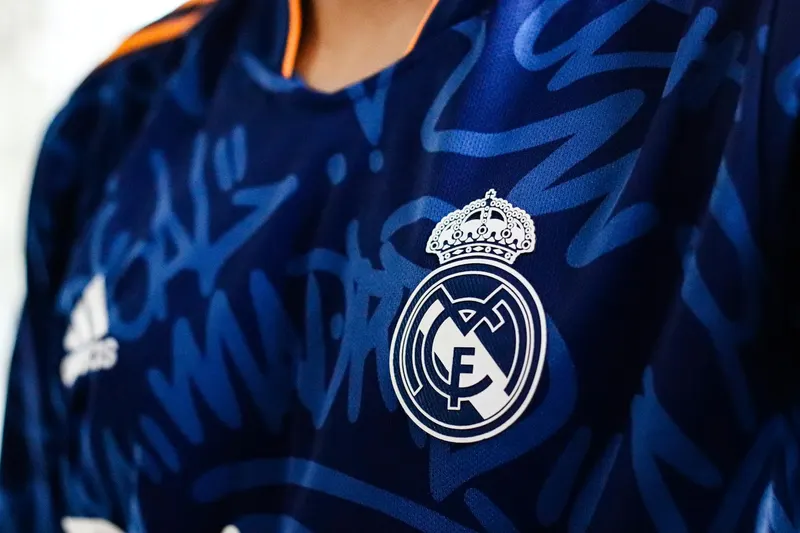
Branded merchandise has always held a special place in the world of sport. Whether it’s a junior footy club in regional Victoria handing out custom water bottles at the season launch, a Sydney-based sports management company gearing up for a major sponsorship activation, or a Brisbane fitness brand building its retail presence — the right branded merchandise for the sports industry in Australia can do far more than just display a logo. It builds identity, drives fan engagement, creates lasting impressions, and turns everyday supporters into walking brand ambassadors. In a country as sport-obsessed as Australia, getting your merch strategy right isn’t just a nice-to-have. It’s a genuine competitive advantage.
Why Branded Merchandise Matters So Much in the Sports Industry
Sport connects people in ways that few other industries can match. When someone pulls on a branded hoodie, sips from a custom water bottle, or carries a backpack with their club’s colours, they’re not just using a product — they’re expressing belonging. That emotional connection is enormously powerful for brand building, and Australian sports organisations of all sizes are increasingly recognising its value.
For professional clubs and leagues, branded merchandise is a revenue stream. For community sporting clubs from Hobart to Darwin, it’s a fundraising tool and a way to foster team culture. For corporate sponsors and sports-adjacent businesses, it’s a marketing channel that keeps brands visible long after an event has ended.
The challenge, of course, is choosing the right products, decoration methods, and supplier relationships to make your merch investment count. Let’s break it all down.
Key Product Categories for Sports Industry Merchandise
Not all promotional products are created equal, and the sports industry has some very specific needs when it comes to branded merchandise. The best-performing products tend to be practical, durable, and highly visible — items that people will actually use repeatedly, both in and out of sporting environments.
Custom Apparel: The Cornerstone of Sports Merch
If there’s one category that defines branded merchandise for the sports industry in Australia, it’s apparel. Custom t-shirts, polo shirts, hoodies, and performance wear form the foundation of nearly every sports merch range — and for good reason. They offer large decoration areas, excellent brand visibility, and lasting utility.
For team-wear specifically, performance fabrics with moisture-wicking properties are increasingly popular. A Gold Coast surf club ordering 100 custom rashies for their junior programme, or a Melbourne corporate sports day requiring branded polo shirts for 200 staff — both scenarios call for different fabrics and fit considerations. Understanding the difference between standard cotton t-shirts and technical sportswear fabrics will save you money and deliver a far better end product.
Caps and headwear also deserve a mention here. Structured caps with embroidered logos remain one of the most enduring forms of sports merchandise. Embroidery delivers exceptional durability on headwear, which is important when you’re ordering for an outdoor sporting environment. Take a look at our complete guide to custom caps and headwear decoration methods for a deeper dive into your options.
Drinkware: High-Use, High-Visibility Products
Sports and hydration go hand in hand, which makes custom drinkware one of the smartest investments in the sports merch category. Branded stainless steel water bottles, insulated tumblers, and sports drink bottles are used repeatedly — often in highly visible environments like training sessions, competitions, and gym floors.
For community sporting clubs operating on tighter budgets, aluminium drink bottles with a screen-printed logo offer excellent value at lower price points. For premium activations or corporate sports sponsorships, laser-engraved stainless steel bottles signal quality and longevity. If sustainability is a priority — and it increasingly is for Australian organisations — reusable insulated bottles tick both the eco-friendly and practical boxes simultaneously.
Keep cups are another high-performer in this space, particularly for sporting organisations that incorporate café or canteen operations, or for fitness studios wanting to reward loyal members. Our guide to branded drinkware options for Australian organisations covers MOQs, decoration options, and pricing tiers in more detail.
Bags and Backpacks
Gym bags, drawstring backpacks, cooler bags, and sports duffels are natural fits for the sports industry. A branded gym bag distributed at a membership drive or included in a player welcome pack does double duty — it’s both a practical gift and a mobile billboard.
For schools running physical education programmes or inter-school carnivals, branded drawstring bags are a cost-effective option that students actually use. A Canberra high school running its annual athletics carnival might order 200 personalised drawstring bags as participant gifts — a relatively modest spend that generates significant goodwill and brand awareness.
For premium sporting events and corporate activations, structured backpacks or branded cooler bags elevate the experience considerably. These tend to have higher price points but deliver exceptional perceived value.
Tech Accessories and Sports-Specific Products
The modern athlete and sports fan is tech-savvy, and branded tech accessories have found a strong foothold in sports industry merchandise. Branded power banks are popular at major sporting events and conferences, while wireless earbuds and phone accessories resonate well with younger audiences.
Sports-specific items like resistance bands, cooling towels, and fitness accessories with custom branding are growing in popularity — particularly among gyms, personal training businesses, and health-focused corporate wellness programmes. These products feel highly relevant to the end user, which increases the likelihood they’ll actually be used and retained.
Decoration Methods for Sports Merchandise
Choosing the right decoration method is just as important as choosing the right product. The sports environment is demanding — products need to withstand sweat, washing, UV exposure, and heavy use. Here’s a quick breakdown of the most relevant decoration methods for sports industry merchandise.
Screen Printing
Screen printing is the go-to method for large runs of custom apparel, particularly t-shirts and polo shirts. It delivers vibrant, durable results and becomes very cost-effective at volumes of 50 units or more. For a Perth community football club ordering 150 training shirts, screen printing is almost always the recommended approach. It handles bold, graphic-style logos exceptionally well.
Be aware that screen printing works best with solid colours and isn’t ideal for photographic or highly complex artwork. Each colour in your design typically incurs a separate setup fee, so simpler two or three-colour designs will deliver the best value. Our guide to screen printing vs embroidery for custom apparel will help you decide which method suits your brief.
Embroidery
Embroidery is the premium choice for caps, polo shirts, jackets, and workwear. It conveys quality and professionalism, making it particularly well-suited to corporate sports sponsorship merchandise or club presentation wear. The raised texture and thread finish simply cannot be replicated by printing.
The limitation with embroidery is complexity — intricate fine-detail logos don’t always translate well into thread. Work with your merchandise supplier to create an embroidery-optimised version of your logo where needed.
Sublimation Printing
Sublimation is the dominant decoration method for performance sportswear — think AFL guernseys, netball uniforms, and custom cycling jerseys. The process infuses dye directly into the fabric, producing full-colour, all-over designs that won’t crack, peel, or fade even after heavy washing. For any organisation requiring genuinely custom-designed team uniforms, sublimation is the method to know. Read more in our overview of sublimation printing for custom sportswear.
Laser Engraving and Pad Printing
For drinkware, trophies, and hard goods, laser engraving delivers a sophisticated, permanent finish. It’s particularly impressive on stainless steel and aluminium products. Pad printing is the more common and cost-effective method for smaller logo applications on items like pens, sports accessories, and compact gear.
Planning Your Sports Merchandise Order: Practical Considerations
Getting the most from your branded merchandise investment requires some upfront planning. Here are the key factors Australian sports organisations and businesses should consider.
Minimum Order Quantities (MOQs)
Most promotional product suppliers work with MOQs — the minimum number of units you need to order to access production. These vary by product and decoration method. Custom apparel typically starts from 25–50 units for screen printing, while sublimated sportswear often requires a minimum of 10–20 units per design. Understanding MOQs early in your planning process helps you budget accurately and avoid surprises. Our explainer on minimum order quantities for promotional products covers this in detail.
Turnaround Times
Turnaround time is one of the most common stress points for sports organisations, particularly those ordering around season launches, major events, or presentation nights. Standard production and delivery timelines for custom merchandise in Australia typically range from 10 to 20 business days from artwork approval. Rush production is often available at an additional cost, but it’s always better to plan ahead. If you’re in Adelaide ordering merchandise for a state championships event, don’t leave it until the week before.
Artwork and Colour Matching
Your artwork file quality directly affects the final print quality. Supply vector files (AI or EPS format) wherever possible. For organisations requiring precise colour matching — particularly those with official brand guidelines — discuss PMS (Pantone Matching System) colour specifications with your supplier upfront. This is especially important for sporting clubs with specific team colours.
Budgeting for Your Merch Range
Budget planning for sports merchandise involves balancing quality, quantity, and product selection. A school in suburban Melbourne running a sports day doesn’t need the same budget as a national sporting body launching a sponsor activation package. Consider allocating your budget across a hero product (high perceived value, lower quantities) and a volume product (practical, lower cost, wider distribution). Our guide to budgeting for promotional products offers a practical framework for organisations at every spend level.
Eco-Friendly Options for Sustainable Sports Merchandise
Sustainability is increasingly important to Australian sports organisations, sponsors, and their audiences. Eco-friendly merchandise — made from recycled materials, bamboo, organic cotton, or other sustainable alternatives — signals genuine environmental responsibility and resonates strongly with younger demographics.
Reusable tote bags made from recycled PET, bamboo stationery sets for award presentations, and organic cotton t-shirts are all worth considering if your organisation has a sustainability focus. Check out our overview of eco-friendly promotional products for Australian organisations to explore the full range of sustainable options available.
Awards, Trophies, and Recognition Products
No sports merchandise guide would be complete without mentioning awards and recognition products. From junior participation medals to engraved crystal trophies for senior competitions, branded awards play an important role in celebrating achievement and reinforcing club culture. Laser-engraved trophies, custom ribbons, and branded medals are all highly valued by recipients and serve as lasting reminders of memorable moments. Explore our guide to custom trophies and awards for Australian sporting clubs for a full breakdown.
Conclusion: Key Takeaways for Branded Merchandise in the Sports Industry
Branded merchandise for the sports industry in Australia is a powerful tool — one that builds community, drives revenue, rewards loyalty, and extends brand reach far beyond the final whistle. Whether you’re a grassroots sporting club in regional Queensland, a corporate sponsor activating at a major event, or a fitness business building its brand, the right merchandise strategy will deliver measurable returns.
Here are the key takeaways to keep in mind:
- Match your product to your audience: Performance apparel suits active participants; premium drinkware and bags work well for corporate activations and member rewards.
- Choose decoration methods wisely: Sublimation for team uniforms, embroidery for caps and polo shirts, screen printing for volume t-shirt runs, and laser engraving for premium hard goods.
- Plan ahead for turnarounds: Allow at least 15–20 business days from artwork approval, particularly for major events or season launches.
- Respect MOQs and budget strategically: Combine a hero product with a volume product to maximise impact across different audience touchpoints.
- Consider sustainability: Eco-friendly materials and reusable products resonate with modern sports audiences and reflect well on your organisation’s values.
With the right planning and product selection, your sports merchandise can become one of your most effective and enduring brand-building investments.