
How to Use a Cap Designer to Create Perfect Custom Branded Caps
Learn how to use a cap designer tool to create custom branded caps for your business, school, or event. Expert tips on styles, decoration & ordering.

Written by
Asher Rodriguez
Custom Apparel
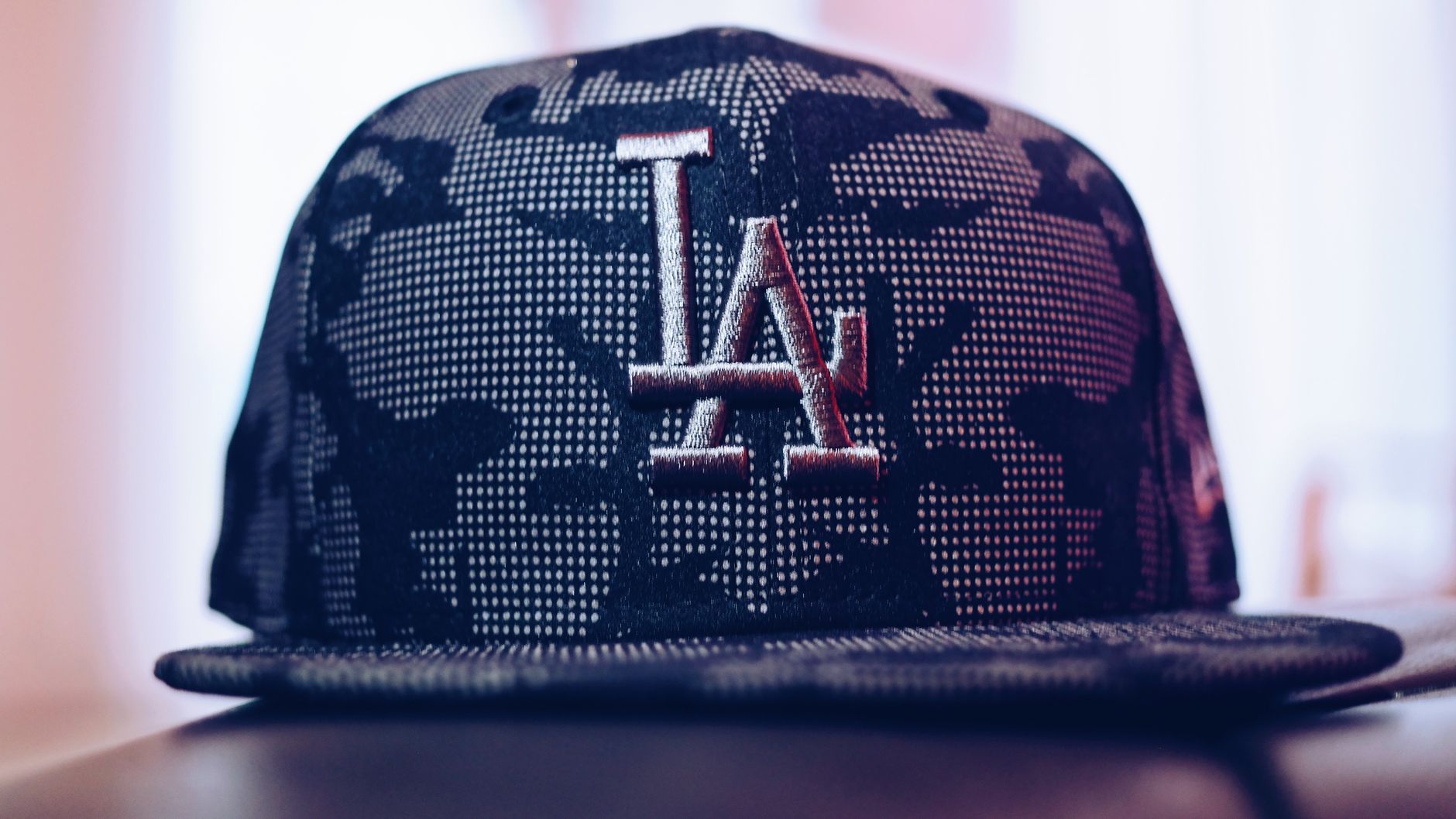
Custom branded caps are one of the most versatile and enduringly popular promotional products in Australia — and for good reason. Whether you’re outfitting a Brisbane tradie team, organising merchandise for a Sydney corporate event, or kitting out Perth school students for sports day, a well-designed cap puts your brand front and centre in a way that’s practical, visible, and genuinely appreciated. With online cap designer tools now widely available, the process of creating custom headwear has never been more accessible. But knowing how to use these tools effectively — and understanding the decisions that go into great cap design — can make the difference between merchandise that people actually wear and items that end up forgotten in a drawer.
What Is a Cap Designer and How Does It Work?
A cap designer is an online customisation tool that allows you to visualise how your logo, text, or artwork will appear on a cap before you place an order. Think of it as a digital mockup studio — you upload your artwork, position it on the cap template, choose colours and cap styles, and see a preview of the finished product.
Most cap designer tools offer a range of customisation options including:
- Placement zones: front panel, side panels, peak (brim), back strap
- Decoration method selection: embroidery, screen printing, heat transfer, sublimation
- Colour selection: cap body colour, thread colour for embroidery, or ink colour for printing
- Style selection: structured vs. unstructured, snapback vs. fitted, trucker-style, bucket hats, and more
These tools are particularly useful for getting early buy-in from stakeholders. A school principal in Adelaide, for instance, can preview a few different colour combinations before presenting options to the P&C committee. A Melbourne marketing manager can share a digital proof with their team for feedback before committing to a bulk order.
That said, it’s important to understand that online preview tools are indicative, not definitive. Always request a physical sample or production-quality digital proof from your supplier before approving a large run.
Choosing the Right Cap Style for Your Audience
Before you even open a cap designer, the most important decision is selecting the right cap style for your intended recipients. Not all caps are created equal, and different audiences have very different expectations.
Structured vs. Unstructured Caps
Structured caps (like classic baseball caps with a firm front panel) hold their shape well and are excellent for logo visibility — your embroidered or printed artwork sits on a flat, consistent surface. These are popular for corporate teams, tradespeople, and sporting clubs.
Unstructured caps have a softer, more relaxed profile. They’ve had a strong resurgence in popularity, particularly among younger demographics and lifestyle brands. If you’re targeting university students or creating merchandise for a summer festival on the Gold Coast, unstructured styles often feel more on-trend.
Snapback, Fitted, and Adjustable Options
Snapback caps are universally sized with a plastic snap closure — they’re a solid choice when you need one-size-fits-most practicality for events and giveaways. Fitted caps require size-specific ordering but offer a more polished, professional look. Trucker-style caps (with a mesh back) have a casual, outdoorsy feel well-suited to agricultural businesses, outdoor events, and adventure tourism operators.
Bucket Hats
Don’t overlook the bucket hat. Enormously popular in Australia given our UV exposure concerns, bucket hats are a natural fit for school excursions, outdoor events, and sun-safety campaigns. They offer generous print or embroidery real estate across the brim and crown panels.
Decoration Methods: What Your Cap Designer Should Reflect
Understanding decoration methods is crucial when working with a cap designer, because the method you choose will determine how your artwork should be prepared and what results you can realistically expect.
Embroidery
Embroidery is the premium standard for cap decoration in Australia. It delivers a professional, three-dimensional finish that’s highly durable — perfect for workwear, corporate uniforms, and sporting clubs. The key limitation is detail: very fine lines, small text, and photographic images don’t translate well to embroidery. A good cap designer tool will often flag artwork complexity issues.
Typical embroidery set-up involves digitising your artwork into a stitch file. This is a one-time cost that’s applied to your first order, and the file is retained for reorders. Minimum order quantities (MOQs) for embroidered caps typically start around 12–24 units, though this varies by supplier.
Screen Printing and Heat Transfer
Screen printing on caps works well for larger, bolder designs on the front panel and is cost-effective for higher volume orders. Heat transfer is sometimes used for full-colour designs but may not offer the same longevity as embroidery on frequently worn items.
Sublimation
For fully customised caps — where you want an all-over print covering the entire surface — sublimation is the method of choice. This allows edge-to-edge colour and complex photographic-style artwork. It’s popular for esports teams, creative agencies, and events where standout visual impact matters.
Understanding how these methods interact with your artwork is also connected to broader branding principles. Our guide to promotional product colour psychology research findings is worth reading before you finalise your colour selections — the colours you choose for your caps can subtly influence how your brand is perceived.
Preparing Artwork for a Cap Designer Tool
Artwork quality is one of the most common pain points in the custom cap ordering process. Here’s what you need to know:
- Use vector files: AI, EPS, or high-resolution PDF files are ideal. Vector artwork scales without losing quality, which is critical for embroidery digitising and crisp print reproduction.
- Simplify complex designs: Detailed gradients, drop shadows, and fine lines often need to be simplified for embroidery. Your decorator can advise on what’s achievable.
- Check colour accuracy: If PMS (Pantone) colour matching is important to your brand, specify your PMS codes rather than relying on screen colour representation. What looks right on a monitor may not match the finished thread or ink.
- Consider the placement area: A typical structured cap front panel offers roughly 6cm x 5cm of workable embroidery space — keep your design proportionate.
For organisations thinking about branded merchandise more broadly, understanding the full scope of what’s possible with custom apparel types and decoration methods will help you make smarter decisions across your entire merchandise range.
Ordering Custom Caps: Practical Tips for Australian Organisations
MOQs and Pricing
Budget planning is essential. Embroidered caps typically carry a per-unit cost that decreases significantly as quantities increase. A run of 25 caps will cost more per unit than a run of 100 — standard bulk pricing logic applies. For schools, clubs, and corporate teams ordering on a tight budget, it’s worth consolidating orders across departments or teams to reach a more favourable pricing tier.
For those sourcing branded merchandise across multiple product categories, wholesale promotional products in Canberra and wholesale promotional products in Perth offer useful guidance on how bulk ordering structures work in the Australian market.
Turnaround Times
Standard turnaround for custom embroidered caps in Australia is typically 10–15 business days after artwork approval. If you’re working to a hard deadline — a conference, a school sports carnival, a product launch — factor in proof approval time and allow buffer. Rush orders may be available but often attract a premium.
Planning ahead also opens up more options. Spring is peak merchandise season for many Australian organisations. Our round-up of spring promotional gifts in Australia explores how to integrate branded caps into a broader seasonal gifting strategy.
Samples and Proofs
Always request a digital proof — and ideally a physical pre-production sample for larger orders. This is non-negotiable for orders above 100 units or where precise colour matching is critical. A sample lets you assess the weight and feel of the cap, check logo placement, and ensure thread colours match expectations.
Thinking Beyond Caps
Custom caps rarely exist in isolation. Many organisations order them as part of a broader branded uniform or merchandise pack. Pairing caps with custom t-shirts and apparel or a tracker jacket creates a cohesive, polished team look. For corporate events, caps can complement items like personalised travel mugs, custom stubby holders, or branded tote bags in a well-rounded merchandise pack.
If sustainability is a priority for your organisation, consider eco-conscious cap options made from recycled or organic materials. This aligns well with broader environmental initiatives — and if you’re already exploring sustainable merchandise, our guide to upcycled material custom merchandise for circular economy brands and recycled PET custom backpacks for school environmental programs will give you excellent context.
Understanding the Broader Merchandise Picture
Branded caps also contribute meaningfully to company culture. Research consistently shows that quality branded merchandise creates positive associations with employers and organisations. For more on this, explore how workplace promotional merchandise impacts on company culture — the findings may inform how you position your cap investment internally.
Equally, understanding what motivates people to keep and use branded products is valuable. Our analysis of promotional products and consumer behaviour highlights why practical, wearable items like caps tend to generate the strongest brand recall.
Getting the Most From Your Cap Designer Experience
The best cap designer experiences combine a user-friendly online tool with genuine human support. Here’s how to make the process smooth:
- Start with your brand guidelines: Have your logo files, PMS colours, and any style rules ready before you begin.
- Shortlist two or three cap styles: Use the designer to preview your artwork across different styles before settling on one.
- Get stakeholder sign-off on the digital proof: For school or corporate orders, a shared proof link keeps everyone aligned.
- Ask questions early: If you’re unsure whether your logo will embroider well or which cap style suits your audience, contact your supplier before placing the order — not after.
- Plan for reorders: If your cap design is part of an ongoing uniform program, keep your artwork files and digitising records organised for seamless reordering.
Conclusion: Key Takeaways for Custom Cap Success
Using a cap designer tool is just the starting point. The real success comes from combining smart design decisions, appropriate decoration methods, and thorough planning. Here’s a quick summary of what to remember:
- Choose your cap style first: Match the style to your audience — structured for corporate and workwear, unstructured or bucket for lifestyle and outdoor contexts.
- Prepare quality artwork: Vector files and clear PMS references will save time and ensure your finished caps look exactly as intended.
- Understand your decoration options: Embroidery is the gold standard for durability, but sublimation and screen printing open up more creative possibilities.
- Plan your timeline carefully: Allow at least 3–4 weeks end-to-end, including proof approval and buffer time before your deadline.
- Think holistically about your merchandise: Caps work best as part of a broader branded merchandise strategy — pair them with complementary products for maximum impact.
Whether you’re a Darwin business preparing a team for a conference, a Hobart school kitting out students for an excursion, or a Brisbane sporting club building a cohesive look for the new season, using a cap designer thoughtfully gives you the confidence to order right the first time.