
Digital Printing on Custom Polo Shirts in Australia: The Complete Guide
Discover how digital printing on custom polo shirts works in Australia — costs, quality, MOQs, and tips for businesses, schools & events.

Written by
Pippa Kim
Branding & Customisation
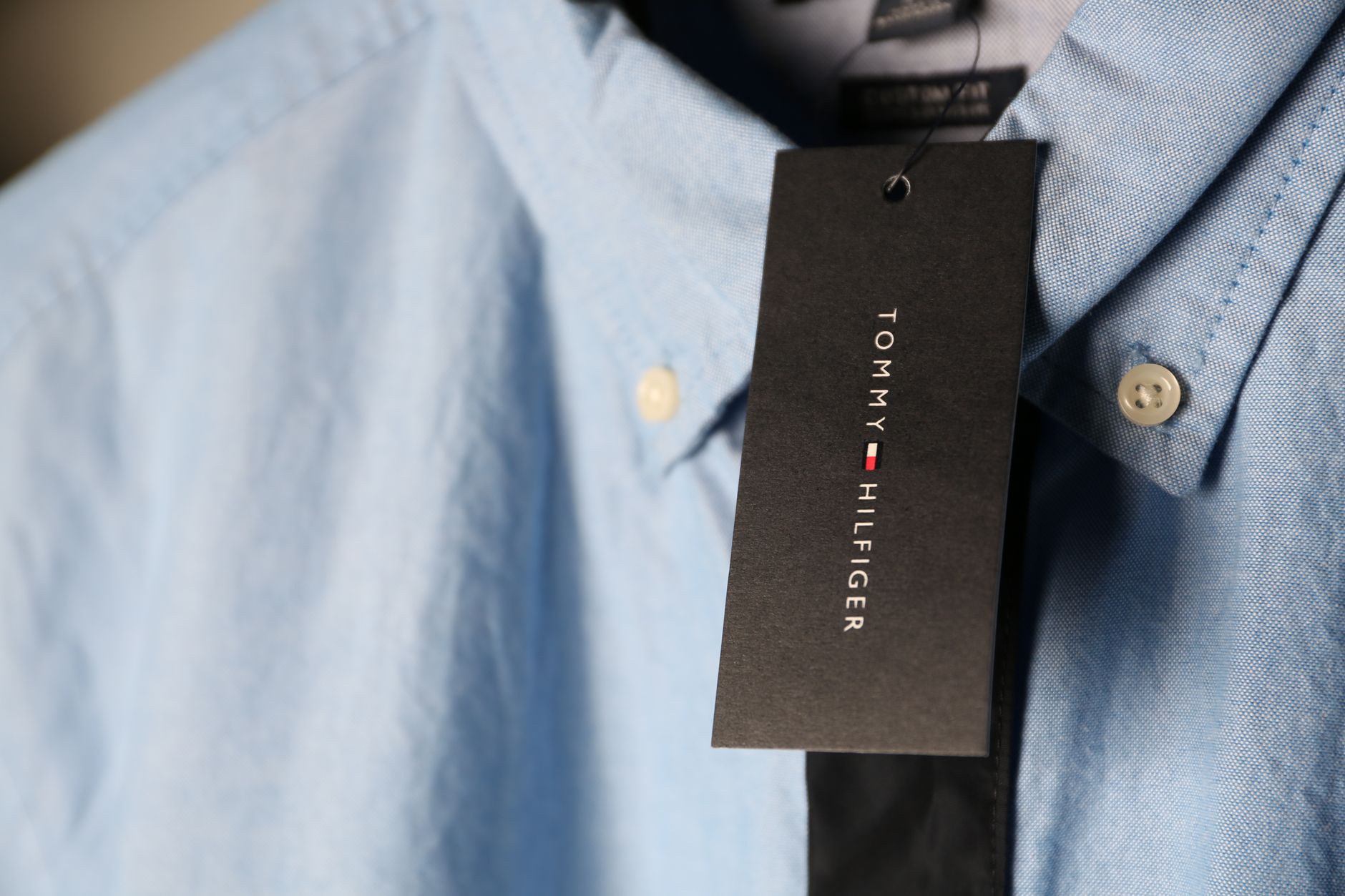
When it comes to creating a polished, professional look for your team, school, or organisation, few garments hold as much weight as the humble polo shirt. But once you’ve settled on the polo as your canvas, the real decisions begin — and chief among them is how you’re going to decorate it. Digital printing on custom polo shirts in Australia has grown significantly in popularity over the past few years, offering vibrant full-colour results, lower minimum order quantities, and faster turnaround times than many traditional methods. Whether you’re a Sydney-based business outfitting your client-facing staff, a Brisbane primary school preparing for athletics carnival season, or a Perth event management company kitting out volunteers, understanding how digital printing works — and whether it’s the right choice for your project — can save you both time and money.
What Is Digital Printing, and How Does It Work on Polo Shirts?
Digital printing, sometimes referred to as direct-to-garment (DTG) printing, is a decoration method that uses inkjet technology to apply ink directly onto a fabric surface. Unlike screen printing, which requires separate screens and setup for each colour in a design, digital printing works much like your office printer — artwork is loaded digitally and the machine jets ink directly onto the garment.
For polo shirts specifically, this process typically involves a pretreatment step (particularly important on darker fabrics) to help the ink bond with the fibres. The shirt is then placed flat on a printing platen, the design is printed in a single pass, and the garment is heat-cured to set the ink.
The result? Highly detailed, photorealistic artwork that would be difficult or impossible to achieve with screen printing alone. Gradient colours, complex illustrations, photographic images, and multi-element logos all reproduce beautifully with digital printing — which is a big part of why organisations are increasingly exploring this method when considering how to approach choosing a polo t-shirt brand and decorating it to match their identity.
DTG vs. Sublimation: An Important Distinction
It’s worth noting that sublimation is another form of digital decoration that’s often discussed alongside DTG printing. The key difference is that sublimation works by converting ink into gas that bonds with polyester fibres — meaning it’s best suited to 100% polyester or high-polyester-blend garments. DTG, on the other hand, works best on cotton and cotton-blend fabrics, making it more suitable for the standard piqué polo shirts most Australian organisations favour.
If your polo shirts are polyester-heavy or fully synthetic, sublimation may be the more appropriate digital option. Both have their place in the wider world of custom shirt and t-shirt decoration.
Key Advantages of Digital Printing on Custom Polo Shirts in Australia
Understanding why digital printing has gained traction in the Australian market is important before committing to it for your order. Here’s where it genuinely shines.
No Colour Limitations
One of the most frustrating aspects of screen printing for complex logos is the colour count. Each colour in a design typically requires a separate screen, and costs climb accordingly. With digital printing, a full-colour logo with gradients, shadows, and fine linework costs the same to print as a single flat colour. For organisations with intricate branding — think healthcare companies, real estate agencies, or schools with detailed crests — this is a genuine advantage.
Understanding how colour psychology plays into your branded merchandise decisions is also worth considering at this stage. Your polo shirt colour choice and the tones in your logo both communicate something meaningful to your audience.
Lower Minimum Order Quantities
Traditional screen printing setups are cost-effective at scale but can be prohibitive for small runs. Digital printing, by contrast, often has a minimum order quantity (MOQ) of just one to a dozen garments, making it ideal for:
- Small teams or businesses ordering five to fifteen polos for staff
- Schools needing a small run of personalised teacher polos
- Organisations adding late additions to a larger order
- Trialling a new design or colourway before committing to bulk
This flexibility makes digital printing especially useful when you’re also exploring the broader range of types of shirts available and aren’t yet certain which style and finish will suit your team best.
Faster Turnaround Times
Because there’s no screen creation, colour separation, or lengthy setup process, digital printing often means quicker production. For time-sensitive projects — an upcoming conference, a school sports day, or a last-minute corporate event — this can be the deciding factor. Many Australian decorators offering digital printing can turn around small orders within three to seven business days once artwork is approved.
Photorealistic and Detailed Results
If your artwork includes photography, detailed illustrations, or fine typography at small sizes, digital printing offers a level of detail that other methods simply can’t match. This makes it a popular choice for special edition or commemorative polo shirts, fundraiser garments, or event merchandise with unique artwork.
Where Digital Printing on Polo Shirts Falls Short
No decoration method is perfect for every situation, and being honest about the limitations of digital printing helps you make the right call for your specific project.
Cost Per Unit at High Volumes
Digital printing doesn’t typically benefit from the same economies of scale that screen printing does. Once your order volume climbs above 50 or 100 units, screen printing often becomes the more cost-effective option per garment. If you’re a Melbourne council ordering 300 polos for a community clean-up event, or a Gold Coast hospitality group outfitting a large team, screen printing or embroidery may deliver better value at that volume.
Fabric and Colour Restrictions
Digital printing performs best on light-coloured, 100% cotton or high-cotton-blend fabrics. On dark polo shirts, a white pretreatment layer is required, which can slightly affect the hand feel of the print and in some cases alter how colours appear. On performance polyester or moisture-wicking fabrics, DTG may not adhere properly — sublimation or heat transfer vinyl may be more appropriate alternatives.
Durability Considerations
Properly cured digital prints are durable, but they generally require more care than embroidered or screen-printed designs. Cold machine washing, inside out, and avoiding harsh detergents helps preserve the vibrancy of digital prints. For workwear or uniforms that will be washed frequently in industrial settings, exploring embroidery or screen printing as alternatives may be worth considering.
Practical Tips for Ordering Digitally Printed Custom Polo Shirts in Australia
Getting the best possible result from your digital printing project means being well-prepared before you place your order. Here’s what experienced buyers know.
Prepare High-Resolution Artwork
Digital printing is only as good as the artwork you supply. Aim for vector files (AI, EPS, or SVG) or high-resolution raster files (TIFF or PNG at 300 DPI or higher at print size). Logos sourced from websites or email signatures are often too low-resolution and will produce blurry or pixelated results. Work with your graphic designer or your supplier’s art team to ensure your files are print-ready.
Understanding how smart branding positions your merchandise for maximum impact starts with crisp, professional artwork — the quality of your print will only ever be as good as the file you provide.
Request a Digital Proof (and a Physical Sample If Possible)
Always ask for a digital proof before approving production. For large or high-value orders, requesting a physical sample — sometimes called a pre-production sample — is strongly recommended. This lets you assess print placement, colour accuracy, and fabric feel before the full run is produced.
Factor in Lead Times, Especially for Events
Even with the faster turnarounds digital printing allows, leave yourself adequate buffer time. If you’re ordering for a specific date — a Canberra government department expo, an Adelaide school athletics day, or a Darwin charity walk — build in at least two weeks from artwork approval to delivery to account for production, quality checks, and shipping.
If you’re building a broader promotional programme around your event, it’s worth also thinking about complementary marketing items with logo to pair with your polo shirts, from branded pens and notebooks to tote bags and drink bottles.
Understand the Full Cost Picture
When comparing quotes, look beyond the per-unit price. Some suppliers charge setup fees even for digital printing, while others absorb this into the per-unit rate. Freight costs vary significantly across Australia — a bulk order shipped from a Melbourne decorator to a Darwin venue will cost more than the same order delivered within the same state. Always request a total landed cost.
For organisations managing larger promotional budgets across multiple product categories — perhaps combining branded power bank giveaways or personalised USB sticks with custom polo shirts for a conference package — bundling orders with a single supplier can sometimes reduce freight and admin costs.
Digital Printing on Polo Shirts for Schools, Corporates, and Events
Different sectors tend to approach digitally printed polo shirts with different priorities, and it’s useful to see how the method plays out in practice.
Schools and Education: A Hobart secondary school using digitally printed house polo shirts for a school carnival can achieve vivid, fully branded results in small quantities per house colour — something that would be expensive with screen printing across multiple colour variants. The low MOQ makes digital printing ideal here.
Corporate Businesses: A Melbourne fintech startup wanting 12 branded polos for a trade show booth gets professional, on-brand results without the setup fees or volume commitments of screen printing. Paired with other branded items like seasonal promotional gifts or stationery products, digitally printed polos can create a cohesive brand presentation.
Events and Conferences: Digital printing suits event merchandise beautifully where designs are often unique, artwork is complex, and quantities may be modest. The approach also fits well within a broader workplace culture and promotional merchandise strategy that prioritises quality and brand alignment over volume alone.
For organisations committed to sustainability, it’s also worth noting that some digital printing suppliers are moving toward water-based, low-VOC inks and upcycled or eco-friendly garment options — a trend that resonates strongly with environmentally conscious brands and councils.
Conclusion: Is Digital Printing the Right Choice for Your Custom Polo Shirts?
Digital printing on custom polo shirts in Australia offers a genuinely compelling combination of colour flexibility, low minimum quantities, and design complexity that makes it an excellent choice for many — though not all — organisations. Understanding when it’s the right tool, and when a method like embroidery or screen printing will serve you better, is the mark of an informed buyer.
Key takeaways:
- Digital printing excels for complex, multi-colour, or photorealistic artwork where screen printing’s colour-count costs would otherwise add up
- Low MOQs make it ideal for small teams, schools, events, or organisations testing new designs
- Faster turnarounds suit time-sensitive projects, but always allow adequate buffer time for production and delivery
- For high-volume orders (50+ units), compare digital printing costs carefully against screen printing, which often scales more economically
- Prepare high-resolution artwork, request proofs before approving production, and factor in total landed costs — including freight — when comparing suppliers across Australia