
Custom Safety Gloves for Electrical Contractors in Australia: A Complete Buying Guide
Everything Australian electrical contractors need to know about sourcing custom safety gloves — from branding options to bulk ordering tips.

Written by
Patrick Lee
Safety & Workwear
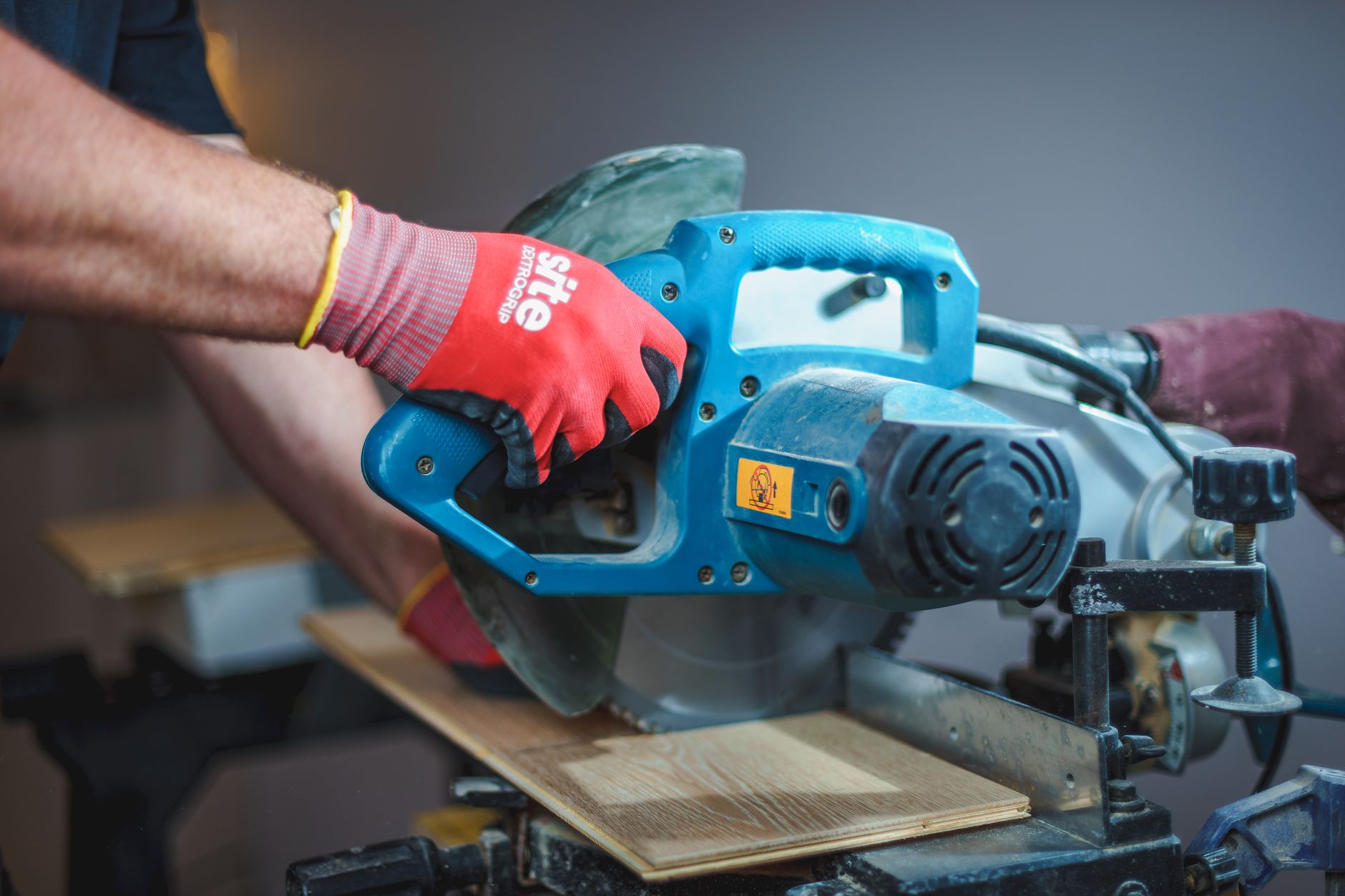
Sourcing the right protective gear for your electrical contracting business is never as simple as it sounds. You need gloves that meet Australian safety standards, hold up in demanding site conditions, and — increasingly for modern trade businesses — carry your company branding in a way that looks sharp and lasts the distance. Custom safety gloves for electrical contractors in Australia have become far more than just a compliance checkbox. They’re a tool for workforce identification, brand visibility on job sites, and building a professional image that wins repeat contracts. Whether you’re running a small electrical outfit in Adelaide or managing a team of fifty licensed electricians across Queensland, this guide will walk you through everything you need to know before placing an order.
Why Electrical Contractors Are Investing in Custom Safety Gloves
The electrical contracting industry in Australia is highly competitive. From residential renovations in Perth to large-scale commercial fit-outs in Melbourne’s CBD, clients are looking for tradespeople who present professionally and take safety seriously. Custom branded workwear — including gloves — signals both of those qualities simultaneously.
Beyond brand recognition, there are very practical reasons to invest in customised safety gloves. On busy job sites with multiple contractors working in the same space, clearly branded gloves make it easy to identify your crew at a glance. They also reduce the risk of gear being mixed up, borrowed, or lost — a surprisingly common and costly problem on large commercial sites.
There’s also a cultural dimension to consider. When your team is kitted out in consistent, professional branded gear, it reinforces a sense of identity and belonging. Research consistently shows that workplace promotional merchandise can have a measurable impact on company culture, and gloves are no exception. Tradespeople who feel proud of how they present themselves on site tend to perform and communicate better with clients.
Understanding Australian Safety Standards for Electrical Gloves
Before you get into branding conversations, you need to get the safety specifications right. This is non-negotiable territory.
In Australia, electrical insulating gloves are governed by AS/NZS 2225, which aligns with international standards for rubber insulating gloves used in electrical work. These standards specify voltage classes, testing requirements, and performance benchmarks that must be met for gloves to be legally compliant on Australian worksites.
Voltage Classes and What They Mean
Electrical safety gloves are classified by voltage class — typically ranging from Class 00 (500V) through to Class 4 (36,000V). For most residential and commercial electrical contractors operating in states like New South Wales, Victoria, or Queensland, Class 1 or Class 2 gloves (covering up to 7,500V and 17,000V respectively) will be the most relevant. High-voltage specialists working in infrastructure or industrial settings may require Class 3 or Class 4 gloves.
When sourcing custom safety gloves, always confirm with your supplier that the base glove product carries the appropriate certification before any branding is applied. Branding must not compromise the structural integrity or insulating properties of the glove.
Leather Protectors and Combination Gloves
Many electrical contractors pair rubber insulating gloves with leather protectors — an outer glove that shields the insulating rubber glove from physical damage. Leather protectors can be embossed or debossed with your company logo or name, which is a popular and highly durable branding option for this kind of layered protective system.
Branding Options for Custom Safety Gloves
Once you’ve locked in the right safety spec, the fun part begins — getting your branding right. The good news is that there are several effective decoration methods suited to safety gloves, each with its own strengths.
Embossing and Debossing
For leather protector gloves, embossing (raised design) and debossing (recessed design) are among the most durable and professional-looking options. A debossed company logo on the back of a leather glove holds up through years of hard use and looks genuinely premium. This method works well for electrical contracting businesses that want a subtle, trade-standard finish rather than a highly visible colour print.
Screen Printing and Pad Printing
For rubber or synthetic gloves, pad printing can be used to apply logos, text, or simple graphics directly to the glove surface. This works best with simple, single-colour designs — think a company name, ABN, or logo in a contrasting colour. If you’re exploring other decoration methods across your branded merchandise range, our guide comparing decoration methods for custom promotional products is worth reading before you commit.
Heat Transfer Labels
Heat transfer labels or patches can be applied to fabric-backed gloves, which are common in general electrical work (as opposed to live-line work). These allow for more detailed, full-colour branding and are a cost-effective option when ordering in larger quantities.
What to Put on Your Gloves
Keep it simple and functional. Most electrical contractors opt for:
- Company name — clear and legible, ideally in a bold font
- Logo — a simplified, single-colour version works best at small scale
- Contact number or website — particularly useful for fleet branding where gloves may be seen by clients
- Employee name or ID — useful for large teams managing gear allocation
Think about colour psychology when choosing your brand colours for gloves. There’s solid research behind how promotional product colour choices influence consumer perception, and the same principles apply to trade workwear — certain colours convey reliability and professionalism more effectively than others.
Minimum Order Quantities, Pricing, and Turnaround Times
Understanding the logistics of ordering custom safety gloves in bulk is crucial to budgeting your project correctly.
Minimum Order Quantities (MOQs)
Most Australian suppliers of custom safety gloves will have MOQs starting from around 24–50 pairs for standard branded options, rising to 100+ pairs for fully custom-manufactured gloves with bespoke sizing or materials. If you’re a smaller electrical contractor — say, a two-van operation in Darwin or Hobart — it’s worth asking whether your supplier can work with lower quantities, particularly for simpler decoration methods like pad printing.
Pricing Tiers
Like most promotional and workwear products, custom safety gloves operate on a sliding scale — the more you order, the lower the unit price. A basic rubber insulating glove with a pad-printed logo might sit in the $18–$35 per pair range at moderate quantities, while premium leather protectors with debossed branding can run from $40 upward per pair. For large electrical contracting businesses rolling out standardised gloves across a Sydney or Brisbane-based fleet, bulk pricing tiers can make this a very cost-effective investment.
Turnaround Times
Allow at least 2–4 weeks for custom safety gloves with standard branding, and 4–8 weeks for anything involving bespoke manufacturing or offshore production. If you’re ordering gloves ahead of a major project kick-off — say, a commercial build commencing in summer — factor in artwork approval time, sample review, and shipping. This is especially important for businesses in regional areas of Western Australia or the Northern Territory where freight times can add several business days.
Pairing Gloves with a Broader Branded Workwear Strategy
Custom safety gloves rarely exist in isolation. The most effective branded workwear programs treat every piece of kit as part of a cohesive visual identity. If you’re already investing in custom gloves, it’s worth reviewing the rest of your team’s gear.
Branded polo shirts are a staple for electrical contractors who deal directly with clients — they strike the right balance between professional and practical. Our overview of how to build a strong brand identity through polo shirts is a useful companion read for trade businesses looking to level up their presentation.
Hi-vis vests, work shirts, and caps are other key components of a complete electrical contractor workwear package. If you’re putting together a full uniform kit, understanding the different types of work shirts available will help you make smarter decisions about fabric weight, fit, and decoration options.
You might also consider how your branded gear sits alongside other touchpoints your business uses to stay visible — from branded signage at project sites in Brisbane to promotional products handed out at trade events. Consistency across all of these channels builds the kind of brand recognition that wins word-of-mouth referrals in the trades.
For those thinking about end-of-year client gifts or team rewards, exploring spring promotional gifts that resonate in Australian workplaces can help round out your annual merchandise strategy.
Artwork and Setup: Getting It Right the First Time
Submitting the right artwork from the start saves time, money, and frustration. For custom safety gloves, your artwork should be supplied as a vector file (preferably .ai or .eps) at the correct dimensions for the print or emboss area. Most suppliers will specify a maximum print area — for gloves, this is often quite small (around 40mm x 20mm for the back of the hand), so your logo needs to be clean and simplified.
If your current branding includes fine detail, gradients, or multiple colours, you may need to work with your supplier to create a glove-specific version. Confirming PMS colour codes upfront avoids colour-matching surprises when production samples arrive.
Always request a physical sample before approving a full production run. This is particularly important for safety-critical products where you need to verify that branding hasn’t compromised glove integrity.
Key Takeaways
Ordering custom safety gloves for electrical contractors in Australia involves more moving parts than a typical branded merchandise purchase — but when done right, it pays off across safety, brand visibility, and team morale. Here’s a quick summary of the essentials:
- Safety first: Always verify that your gloves meet AS/NZS 2225 standards for the relevant voltage class before selecting branding options
- Choose the right decoration method: Debossing suits leather protectors; pad printing or heat transfer works for rubber and synthetic gloves; keep designs simple and functional
- Plan your timeline: Allow at least 2–4 weeks for standard orders and up to 8 weeks for bespoke manufacturing — and always request a sample before approving full production
- Think beyond gloves: Custom safety gloves work best as part of a broader branded workwear strategy that includes shirts, hi-vis vests, and caps
- Budget smartly: Use bulk pricing tiers to your advantage — ordering more pairs upfront typically brings the per-unit cost down significantly, making it easier to maintain a consistent brand standard across your crew
Custom safety gloves for electrical contractors in Australia represent a genuine opportunity to stand out on site, reinforce your brand’s professionalism, and keep your team safe and identifiable. With the right supplier, a clear spec sheet, and a well-considered design brief, you can deliver a product that your electricians will actually want to wear — and that your clients will notice.