
Eco-Friendly Branded Stationery Sets for Schools: A Complete Ordering Guide
Discover how Australian schools can order eco-friendly branded stationery sets that impress students, parents, and staff while supporting sustainability goals.

Written by
Eden McPherson
Eco & Sustainable Products
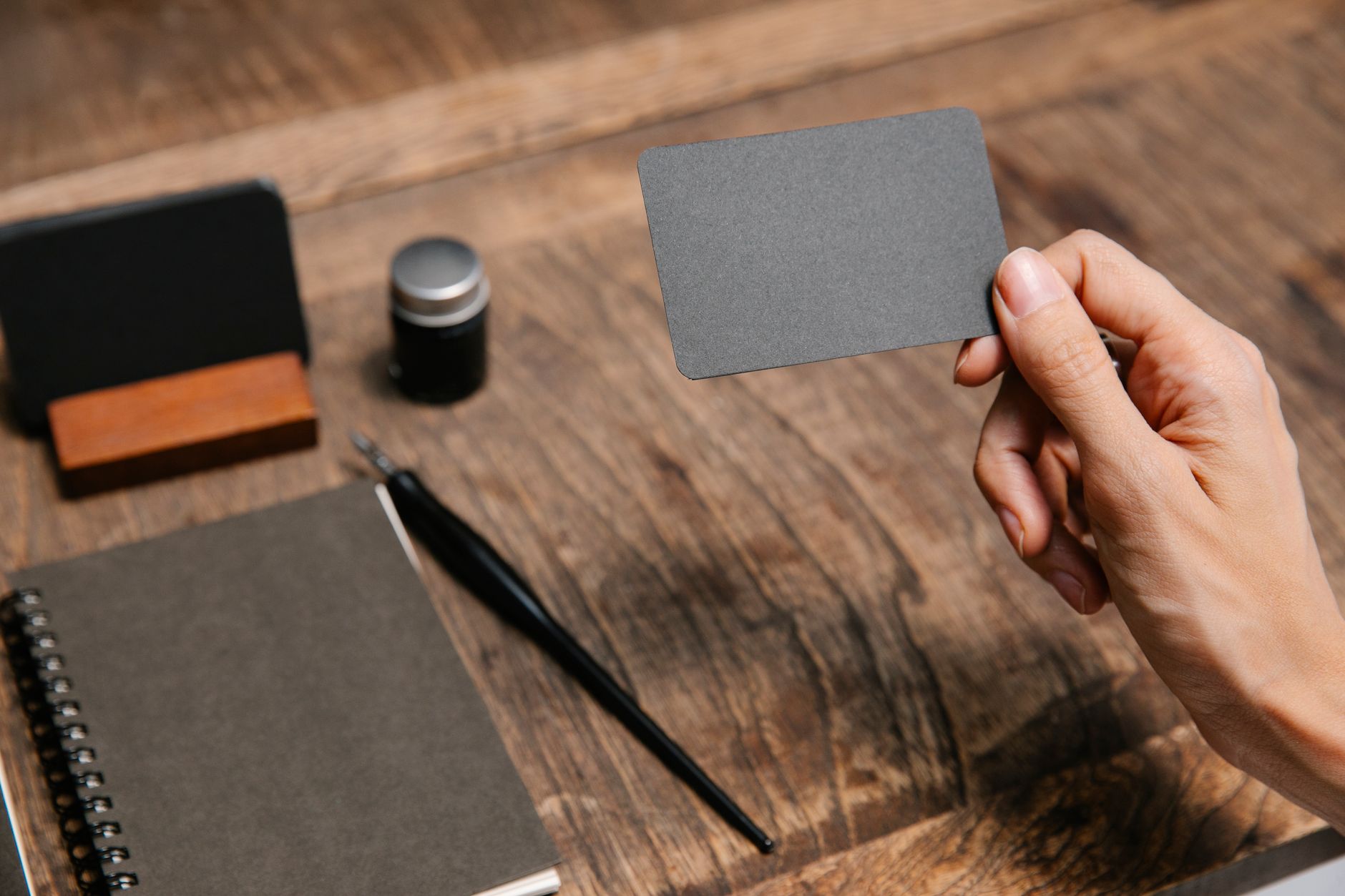
Choosing the right branded merchandise for a school is never as simple as it sounds. Between balancing budgets, satisfying diverse stakeholders, and meeting community expectations around environmental responsibility, school administrators and P&C committees across Australia face real pressure to get it right. That’s why eco-friendly branded stationery sets for schools have surged in popularity — they tick the boxes for sustainability, practicality, and brand visibility all at once. Whether you’re a primary school in suburban Perth, a secondary college in Melbourne’s inner north, or a Queensland independent school gearing up for a new academic year, this guide will walk you through everything you need to know before placing an order.
Why Eco-Friendly Branded Stationery Sets for Schools Make Sense in 2026
Australian schools are increasingly expected to model the values they teach. When a school hands out stationery sets made from recycled or sustainable materials, that choice sends a powerful message to students and parents alike — one that reinforces curriculum content around environmental stewardship. It’s not just about optics, either. Parents and school communities genuinely notice and appreciate when schools make thoughtful purchasing decisions.
Beyond values alignment, stationery sets are simply one of the most practical branded products a school can invest in. Students use them every day. Items like branded notebooks, bamboo pens, recycled pencil cases, and reusable rulers make their way onto desks, into bags, and around classrooms — putting the school’s name in front of students, parents, and visitors on a regular basis. That’s ongoing brand visibility with a single purchase.
Research continues to support this logic. According to insights from our guide to promotional products and consumer behaviour, recipients of useful branded items are significantly more likely to retain a positive impression of the organisation that gifted them. For schools, that translates to stronger community engagement and a more cohesive school identity.
What to Include in an Eco-Friendly School Stationery Set
The beauty of a branded stationery set is its flexibility. You can build a pack tailored to your school’s specific needs, budget, and sustainability targets. Here are the most popular inclusions for Australian schools in 2026:
Recycled and FSC-Certified Notebooks
A branded notebook is arguably the hero product of any stationery set. Look for options made from recycled paper stock, FSC-certified materials, or even stone paper (which uses no trees and is waterproof). Notebooks with kraft card covers are another popular choice — they have a natural, earthy aesthetic that reinforces sustainability messaging beautifully. Most suppliers offer MOQs of around 50–100 units for custom branded notebooks, with full-colour cover printing or debossed logos available depending on the material.
Bamboo and Recycled Pens
Single-use plastic pens are fast becoming a thing of the past for environmentally conscious schools. Bamboo ballpoint pens are a fantastic alternative — they’re durable, biodegradable, and look premium. Recycled plastic pens (made from materials like ocean-bound plastic or post-consumer waste) are another solid option. Most pens are decorated via pad printing or laser engraving, with setup fees ranging from $30–$60 depending on the decoration method. Bulk pricing usually kicks in at around 100 units.
Recycled Pencil Cases and Pouches
Pencil cases made from recycled PET fabric (derived from plastic bottles) or organic cotton are widely available through Australian promotional product suppliers. These can be screen printed or heat transferred with your school’s logo and colours, and they’re durable enough to last an entire school year with regular use.
Plantable Seed Pencils
One of the most talked-about additions to eco school stationery sets right now, seed pencils are made from recycled newspaper with a seed capsule embedded in the end. When the pencil is too short to use, students plant it in soil and grow herbs, flowers, or vegetables. It’s an extraordinary teaching tool and a memorable branded item — particularly popular for Year 7 orientation packs, sustainability weeks, and school fundraising events.
Reusable Rulers and Set Squares
Rulers made from bamboo or recycled materials are an underrated inclusion. They’re practical, they last for years, and laser engraving makes for an incredibly sharp and permanent logo application. A Adelaide primary school, for example, might brand a set of bamboo rulers for their Year 3 maths kits — creating a lasting classroom presence for minimal per-unit cost.
Choosing the Right Decoration Methods
The decoration method you choose will affect both the visual outcome and the environmental footprint of your stationery set. Here’s a quick breakdown of the most suitable options:
Laser Engraving: Ideal for bamboo pens, rulers, and wooden items. Produces a precise, permanent mark with zero inks or chemicals. Best for a premium, understated look.
Pad Printing: The go-to method for smooth surfaces like pens and pencil cases. Uses minimal ink and is highly accurate for small logos and text.
Screen Printing: Excellent for fabric pencil cases and pouches. Works best with one to four colours and offers strong vibrancy and durability.
Digital Printing: Suited to full-colour artwork on notebook covers and paper-based products. Turnaround times are typically faster than screen printing.
Debossing: Creates an elegant, tactile impression on notebook covers without any ink — a popular eco-conscious alternative to foil stamping.
When sustainability is a priority, lean towards inkless decoration methods (laser engraving, debossing) wherever possible, and ensure any inks used in pad or screen printing are water-based rather than solvent-based.
Budgeting for Eco-Friendly School Stationery Sets
Let’s talk numbers — because budget is always part of the conversation. Eco-friendly products do carry a modest price premium over conventional alternatives, but the gap has narrowed considerably as demand has grown. Here’s a realistic ballpark for a school stationery set in 2026:
- Branded bamboo pen: $3.50–$6.50 per unit (100+ quantity)
- Recycled A5 notebook: $6.00–$12.00 per unit (100+ quantity)
- Recycled PET pencil case: $5.00–$9.00 per unit (100+ quantity)
- Seed pencils (pack of 5): $4.00–$7.00 per pack (100+ quantity)
- Bamboo ruler: $3.00–$5.50 per unit (100+ quantity)
A complete set of five items at mid-range pricing might land around $25–$35 per pack at 150 units, which is competitive for branded merchandise and well within reach of school P&C budgets, grant funding, or student enrolment packs. You can also explore our guide to sourcing stationery products near you for tips on local versus online ordering.
For schools working on spring events or end-of-year celebrations, our spring promotional gifts guide is worth a read for complementary product ideas that pair well with a stationery set.
Eco Credentials to Look For When Sourcing Products
Not all “eco-friendly” claims are created equal. When briefing a supplier, ask the right questions:
- Is the material certified? Look for FSC certification on paper and wood products, GOTS or OEKO-TEX certification on fabric items, and third-party verification on recycled content claims.
- What percentage of recycled content? Some products contain only 20–30% recycled material — ask for specifics.
- Is the packaging sustainable? Stationery sets packaged in single-use plastic defeats the purpose. Request kraft paper wrapping, unbleached cardboard boxes, or compostable sleeves.
- What’s the product’s end-of-life story? Bamboo and seed pencils are compostable. Recycled PET pouches can be recycled again. Knowing this helps reinforce your messaging with students.
Our deep dive into upcycled material custom merchandise explores the circular economy angle in more detail — essential reading if your school has made formal sustainability commitments.
The promotional product colour psychology guide is also useful here — colour choices for your stationery set branding can reinforce sustainability messaging (greens and earthy tones) or align with your school’s official colours.
Practical Ordering Tips for Schools
Getting a stationery set order right takes some planning. Here’s what experienced school administrators recommend:
Allow Adequate Lead Time
Eco-friendly products often have slightly longer production windows than conventional alternatives, particularly for certified materials. Plan for 4–6 weeks from artwork approval to delivery. If you’re ordering for Orientation Day or a school event, build in buffer time.
Order a Sample First
Before committing to a large quantity, request a pre-production sample of the key items — particularly notebooks and pencil cases. This allows you to assess quality, print registration, and material feel before the full run goes to print.
Consolidate Your Artwork
Ensure your school logo is provided in vector format (AI or EPS file) and that your school colours are specified as PMS references. This avoids colour matching issues across multiple products in the set. If you’re unsure about PMS colours, ask your school’s design provider or check with your printer.
Consider the Set’s Distribution Context
Will these sets be handed to new students on Day 1? Given as end-of-year gifts? Distributed at a community event? The distribution context affects packaging choices and product selection. A Canberra high school distributing sets at their annual sustainability fair, for example, might opt for individual kraft paper bags to reduce waste, while a Sydney independent school might choose a branded cardboard box for a more premium presentation.
How Eco Stationery Sets Complement Broader School Branding
Stationery sets rarely exist in isolation — they’re often part of a broader branded merchandise program that might include custom apparel, bags, and event items. If your school is building out a full merchandise range, understanding how your stationery set fits the overall brand picture matters.
For instance, schools that have invested in branded uniforms and workwear know the value of consistent visual identity. The same principles apply across your stationery set — consistent logo placement, colour accuracy, and material quality all contribute to how your school brand is perceived by the community. Our guide to workplace promotional merchandise and company culture translates directly to school environments when thinking about staff merchandise.
If your school is running an event alongside a stationery distribution — like a school fete, open day, or sustainability expo — you might also consider complementary giveaways like reusable tote bags or branded keep cups that round out an eco-friendly welcome pack. Our post on position and placement in promotional products covers how brand placement affects product impact, which is particularly relevant when coordinating multiple items in a set.
Conclusion: Key Takeaways for Schools Ordering Eco-Friendly Branded Stationery Sets
Eco-friendly branded stationery sets for schools represent one of the smartest investments a school can make in its brand identity and community values. Done well, they’re functional, memorable, and genuinely meaningful to the students and families who receive them.
Here’s what to keep in mind before you place your order:
- Choose certified materials — FSC, GOTS, and OEKO-TEX certifications give you confidence in eco claims and help you communicate those credentials to your school community.
- Plan your lead time carefully — allow 4–6 weeks minimum, especially for complex sets with multiple decorated items.
- Prioritise inkless decoration methods like laser engraving and debossing where possible for a truly sustainable finish.
- Match your set to the distribution context — a premium boxed set for enrolment packs calls for different choices than a casual giveaway at a school fete.
- Think beyond the stationery set — consider how it fits your broader school merchandise program, including apparel, bags, and event products, for a cohesive and impactful brand presence across campus.