
Upcycled Material Custom Merchandise for Circular Economy Brands in Australia
Discover how Australian brands can use upcycled material custom merchandise to align with circular economy values and make a real environmental impact.

Written by
Eden McPherson
Eco & Sustainable Products
Choosing branded merchandise that genuinely reflects your organisation’s environmental values has never been more important — or more possible. As Australian businesses, schools, and event organisers increasingly commit to sustainability, the demand for upcycled material custom merchandise for circular economy brands has moved well beyond a passing trend. In 2026, it’s a strategic business decision, a powerful brand differentiator, and a meaningful way to close the loop on waste. Whether you’re a Melbourne social enterprise, a Sydney corporate planning your annual conference, or a Brisbane primary school running a sustainability campaign, upcycled and circular-economy-aligned merch gives your brand story real substance.
What Does “Circular Economy” Actually Mean for Branded Merchandise?
The circular economy is a production and consumption model that eliminates waste by keeping materials in use for as long as possible. Unlike the traditional “take, make, dispose” approach, a circular model encourages reuse, repair, remanufacturing, and recycling. When applied to branded merchandise, this philosophy translates into products made from materials that have already lived a previous life — and are designed to live another one after you’re done with them.
Upcycled merchandise takes this a step further. Rather than simply recycling materials into lower-quality outputs, upcycling transforms waste into something of equal or greater value. Think tote bags made from discarded ocean plastics, notebooks bound in leather offcuts salvaged from industrial production, or branded caps constructed from reclaimed denim.
For circular economy brands — those built around sustainability, environmental responsibility, or waste reduction — choosing promotional products that embody these principles isn’t just good optics. It’s brand integrity. Your merchandise becomes a physical extension of your mission.
It’s also worth understanding the psychology behind it. Research into promotional product colour psychology and consumer behaviour shows that consumers increasingly associate product choices with brand values. When a company gifts an upcycled item, recipients perceive the brand as more authentic, more trustworthy, and more aligned with their own values.
Popular Upcycled Materials Used in Custom Merchandise
Understanding the materials available helps you make smarter sourcing decisions. Here’s a look at what’s currently being used in upcycled custom merchandise across Australia.
Recycled Ocean Plastic (rPET)
One of the most widely recognised upcycled materials in the promotional products space, rPET (recycled polyethylene terephthalate) is made by collecting and processing plastic waste — often bottles or ocean-bound plastics — and reforming it into fabric or hard goods. You’ll find rPET used in:
- Tote bags and backpacks — durable, printable, and great for events and conferences
- Custom water bottles and drinkware — a strong fit for eco-conscious brands
- Polo shirts and caps — particularly popular for school and corporate orders
A Perth environmental NGO, for instance, might order a run of rPET polo shirts for their volunteer team, complete with embroidered logos, knowing every shirt represents a specific number of plastic bottles diverted from landfill or waterways. For ideas on selecting custom apparel, see our guide on polo shirt branding.
Upcycled Canvas and Fabric Offcuts
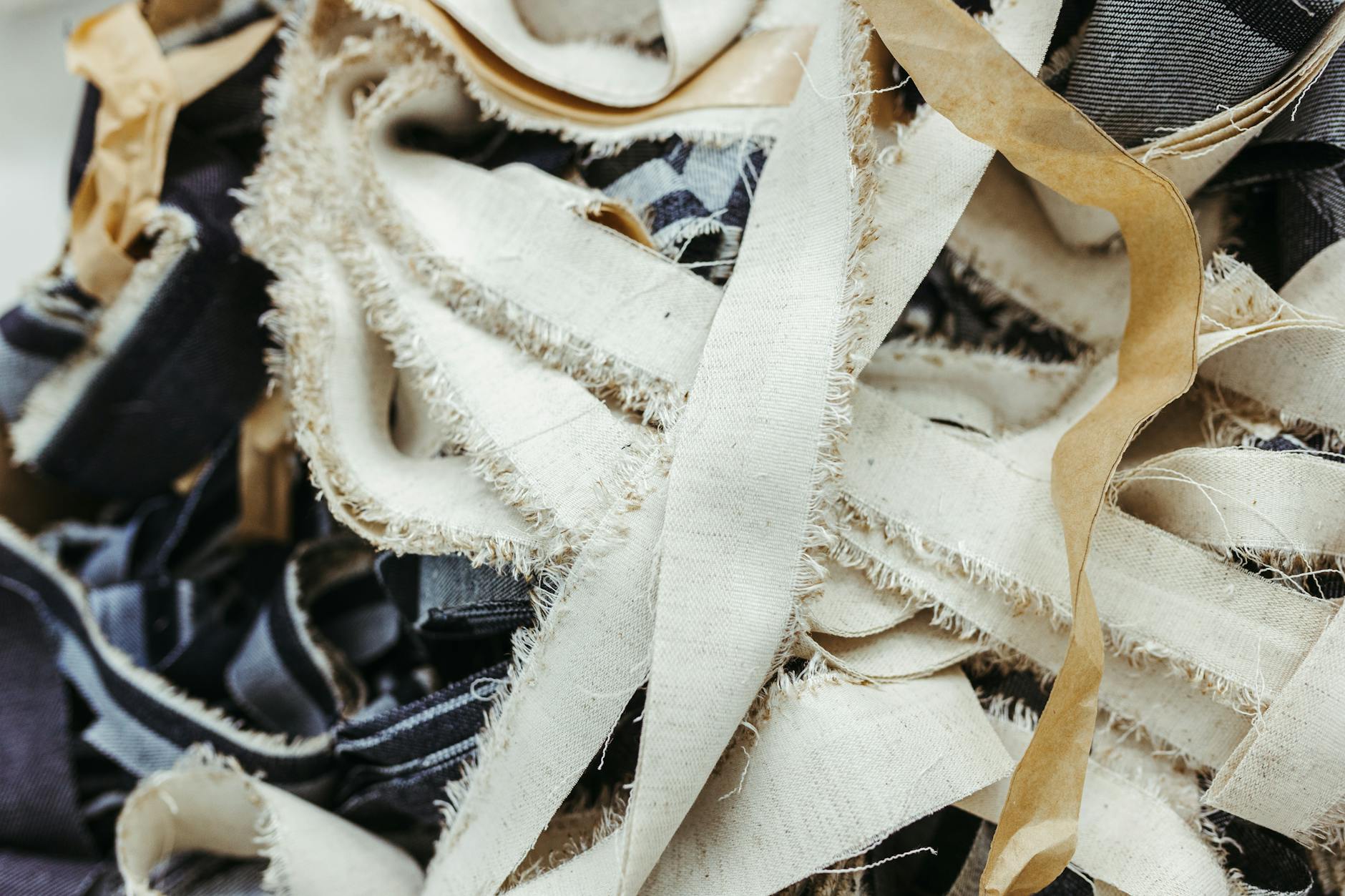
Textile waste is one of the planet’s biggest environmental problems. Many suppliers now source pre-consumer fabric offcuts from garment manufacturers and transform them into branded tote bags, pouches, and accessories. These products are genuinely one-of-a-kind — slight variations in colour and texture are part of the charm, and they tell a compelling story for circular economy brands.
Reclaimed Cork and Natural Rubber
Cork is harvested without cutting down trees, making it inherently sustainable, and reclaimed cork (salvaged from wine production or industrial use) takes this even further. Branded cork notebooks, coasters, and USB holders are popular in corporate gift sets. Natural rubber offcuts are finding their way into keyrings, phone stands, and desk accessories.
Post-Consumer Recycled Paper and Cardboard
For stationery items — notebooks, notepads, desk organisers, and packaging — post-consumer recycled paper made from waste paper streams is a highly accessible upcycled option. If you’re searching for stationery that reflects your brand values, look for suppliers who can confirm post-consumer content percentages and certifications like FSC (Forest Stewardship Council).
Decoration Methods That Work Best for Upcycled Products
Not every decoration method suits upcycled materials. Here’s what works well and why.
Screen printing remains one of the most widely compatible methods for upcycled fabric items like tote bags and t-shirts, though water-based inks are strongly preferred from an eco standpoint. For guidance on selecting the right decoration approach for your apparel, see this breakdown of different types of t-shirts and decoration options.
Embroidery is an excellent choice for upcycled caps, bags, and workwear because it uses no inks and adds a premium, long-lasting finish. The thread itself can even be sourced in recycled polyester variants.
Laser engraving is ideal for cork, bamboo, reclaimed wood, and natural rubber items. It’s chemical-free, waste-minimal, and produces crisp, permanent branding with no consumables beyond energy.
Pad printing and debossing work well on recycled rubber and cork accessories. For hard goods made from rPET or reclaimed materials, digital printing is also a solid choice.
Sourcing Upcycled Custom Merchandise in Australia: What to Look For
Not all “eco” claims are equal. Greenwashing remains a genuine risk in the promotional products industry, and brands committed to circular economy principles need to ask the right questions.
When evaluating suppliers and products, consider the following:
- Certifications and transparency: Look for Global Recycled Standard (GRS), OEKO-TEX, or FSC certifications where applicable. A reputable supplier should be able to provide documentation.
- Chain of custody: Understand where the raw material originated and how it was processed. Ocean-bound plastic and post-consumer waste have very different supply chains, and both deserve scrutiny.
- MOQs and flexibility: Upcycled products often carry slightly higher minimum order quantities (MOQs) due to the complexity of their supply chains. Expect MOQs from as low as 25–50 units for some items, up to 250+ for custom-produced apparel.
- Turnaround times: Australian stock items in rPET or recycled materials can ship within 5–10 business days, but custom-produced upcycled goods may require 3–6 weeks. Factor this into event planning.
- Artwork and decoration compatibility: Upcycled materials sometimes have natural surface variations. Work with your supplier to confirm decoration method suitability before finalising artwork.
Understanding how promotional products influence consumer behaviour can also help you justify the investment to internal stakeholders and demonstrate ROI from eco-conscious merch strategies.
Upcycled Merchandise by Audience and Use Case
Corporate Events and Conferences
For a Sydney or Melbourne corporate conference, upcycled delegate bags made from rPET, paired with a recycled paper notebook and a bamboo pen, create a cohesive, on-brand gift set that aligns with sustainability reporting goals. If your organisation is working to increase brand awareness through merchandise, choosing products with a sustainability story gives recipients something worth sharing and talking about.
Consider that branded merchandise is one of the most cost-effective marketing items with a logo — and upcycled options increasingly compete on price as demand scales up.
Schools and Education Sector
Schools running sustainability curricula or eco-focused events can leverage upcycled merchandise brilliantly. A Canberra or Adelaide primary school ordering custom sports day items can now choose rPET t-shirts over conventional cotton. See our guide on event swag for Australian sports days for practical planning tips that apply equally well to eco-friendly product selections.
Promotional calendars are another smart option for schools — promotional calendars for Adelaide schools and organisations made with recycled paper stock offer year-round brand visibility with a low environmental footprint.
Charities, NFPs, and Social Enterprises
For organisations whose mission is environmental, upcycled merch isn’t just an option — it’s a mandate. A Gold Coast marine conservation charity selling branded merchandise to fundraise has every reason to choose products that reflect their cause. Items made from ocean-bound plastic are especially powerful storytelling tools in this context.
Explore how smart branding and promotional product choices can help mission-driven organisations build community and generate income simultaneously.
Retail and Trade Shows
At trade shows and expos across Brisbane and Sydney, upcycled merch stands out because it gives your team a conversation starter. Signs in Brisbane and other event displays can also be made with recycled substrates, creating a fully circular-economy-aligned brand presence from floor graphics to give-aways.
Budgeting for Upcycled Merchandise
It’s a fair question: does going circular cost more? The honest answer is sometimes — but not always, and the gap is closing fast. As demand for upcycled and recycled materials has grown, economies of scale have brought pricing down substantially. rPET tote bags, for example, are now priced very competitively with conventional alternatives at quantities above 100 units.
For organisations planning seasonal campaigns, spring promotional gift ideas for Australian organisations now include a strong range of eco-friendly upcycled options that fit within standard promotional budgets. The key is planning ahead — rushed orders often limit your options and push you toward conventional stock items.
Budget considerations to keep in mind:
- Setup fees for screen printing or embroidery typically range from $30–$80 per colour/position, regardless of material choice
- Price per unit decreases significantly at higher quantities — 100 units often costs 30–50% less per item than 25 units
- Upcycled premium is typically 10–30% above conventional equivalents, depending on the product and certification level
- Packaging — consider recycled or compostable packaging to complete the circular story without blowing the budget
Conclusion: Closing the Loop on Your Brand’s Merchandise Strategy
Choosing upcycled material custom merchandise for circular economy brands is one of the most impactful steps an Australian organisation can take to align its marketing touchpoints with its environmental values. From rPET backpacks at a Perth sustainability expo to reclaimed fabric tote bags at a Melbourne university orientation, the products available in 2026 are genuinely impressive — and genuinely good for the planet.
The key takeaways for organisations ready to make the shift:
- Verify sustainability claims — ask for certifications like GRS, OEKO-TEX, and FSC before placing orders
- Match decoration methods to materials — embroidery and laser engraving are particularly well-suited to upcycled products from an eco standpoint
- Plan for longer lead times — custom upcycled merchandise often needs 3–6 weeks, so build this into your event or campaign calendar
- Think about the full story — packaging, display materials, and the narrative you share with recipients all contribute to your circular economy brand positioning
- Start with accessible options — rPET bags, recycled paper notebooks, and bamboo accessories are widely available, affordable, and impactful entry points for organisations new to upcycled merch
Your merchandise is a physical manifestation of your brand values. For circular economy brands, making sure those values are embedded in every product you hand out isn’t just good marketing — it’s the right thing to do.